
Written by: Vickie Sullivan | January 08, 2026
Why Social Media Professionalism Matters More Than You Think
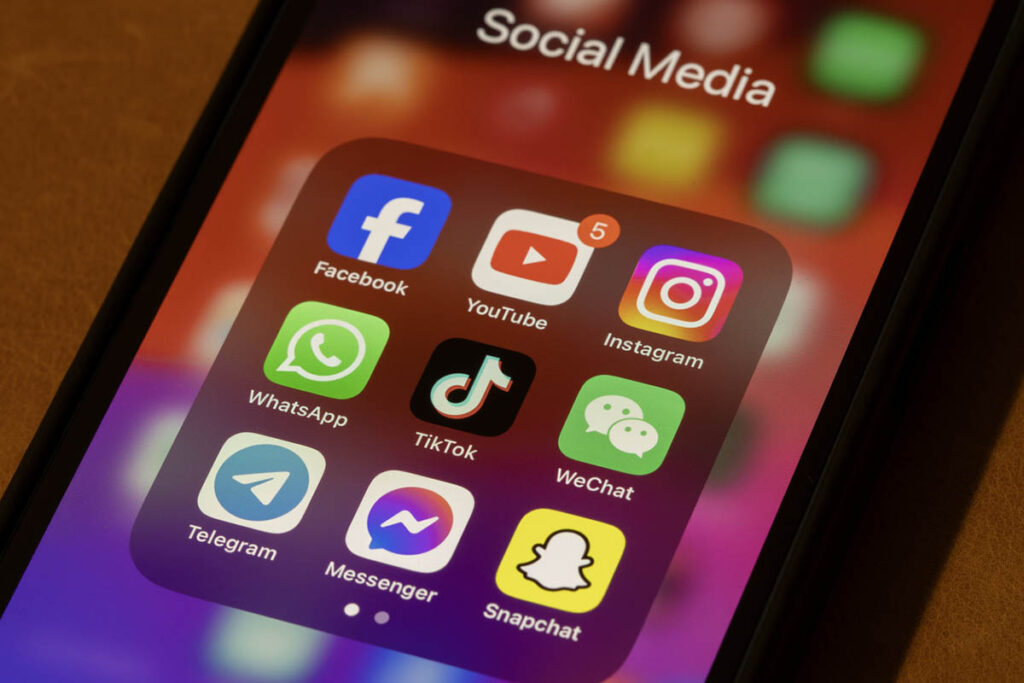
Social media has become a battleground for provocative ideas and opinions. Confidence in your perspective is essential. But what often looks like conviction can come across as trolling, which is a bad look for prospective clients quietly watching from the sidelines. A lack of social media professionalism can undermine your credibility faster than you realize.
I’ve seen several respected and prominent business associates lose relationships and credibility on social media. It wasn’t because of differences in opinion, but because they crossed the line from being adamant to being a jerk. The saddest part? They never saw the doors closing. From their perspective, nothing changed. From the outside, everything did.
2 Clues Your Social Media Professionalism Has Slipped
I don’t think this behavior is intentional. It’s easy to be so confident in your point of view that you lose sight of how your messaging sounds. When that happens, social media professionalism slips. It isn’t because of what you believe, but because of how you express it. Here are two things to watch for.
• Frequency. Constantly jumping into someone else’s posts with harsh or judgmental comments can make you look like a troll to the people quietly observing. Over time, that steady negativity brands you as a nuisance, not a strong advocate. How do you know if you’ve crossed the line? Your comments are met with polite silence.
• Word choice. An inflammatory vocabulary doesn’t build influence. It limits it. You may get applause from those who already agree with you, but the quiet backlash from those who don’t is what really hurts your reach. Over time, prospective clients don’t argue or push back. They roll their eyes and stop paying attention.
As thought leaders, we use social media to influence and expand our perspective, not just to be heard. That often means engaging in communities that don’t fully agree with us. But those interactions create lasting impressions with people who don’t know us well. Remember that as you engage with people online. Be intentional about the experience you create.
Now Read This:
- How to Respond to Passive-Aggressive Comments
- Strategic Sounding Boards Give Real-World Advice for When the Rubber Meets the Road